
A United Nations Educational, Scientific and Cultural Organization (UNESCO) World Heritage Site is a landmark or area with legal protection by an international treaty. These sites are recognized for historical, cultural, or scientific significance. They are preserved because they have “outstanding universal value” to humanity.
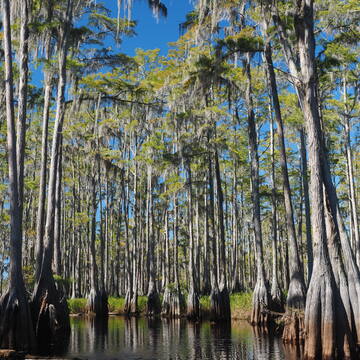
This summer, 25 new sites were added to the UNESCO World Heritage Site list, bringing the total to 1,273 sites across 173 countries. According to AFAR, the newest American site is the Okefenokee National Wildlife Refuge in Georgia and Florida.
Okefenokee is a huge swamp – encompassing more than 625 square miles – located at the headwaters of the Suwannee and St. Marys rivers. It is managed by the U.S. Fish and Wildlife Service.
One of the reasons it was chosen as a UNESCO World Heritage site is because of its biodiversity. The Okefenokee National Wildlife Refuge is a valuable habitat for migratory birds and home to American alligators, river otters, and black bears, and hundreds of other animal species.
Guided boat tours, as well as camping, hiking, and kayaking, are all ways visitors can explore the refuge.
There are 27 UNESCO World Heritage Sites in the U.S., including the Grand Canyon and Yellowstone National Park, the Statue of Liberty and Independence Hall, as well as the Taos Pueblo and architecture of Frank Lloyd Wright.
Have you ever visited a UNESCO World Heritage Site? Message The Seniors Trust on Facebook or X (formerly known as Twitter) and let us know if you think others should add it to their travel itinerary.